EXPLORE THE STORY · 4 MIN READ
A long equipment list is a starting point. Which details tell you whether a product actually fits the job?
Company Profile and Scope (Reported Claims)
According to its official website, CEEG states it has developed core capabilities in power transmission and distribution, energy internet, and new energy storage solutions since 1990. The company claims to serve over 150 countries, delivering products such as dry-type transformers, oil-immersed transformers, megawatt charging substations, mining transformers, and prefabricated substations. These offerings are described as supporting applications in sectors like rail transit, coal mining, hydrogen production, and high-power charging infrastructure. CEEG claims its solutions address project types ranging from traditional substations to specialized energy storage and green hydrogen systems.
Transformer Applications: Substation Illustration
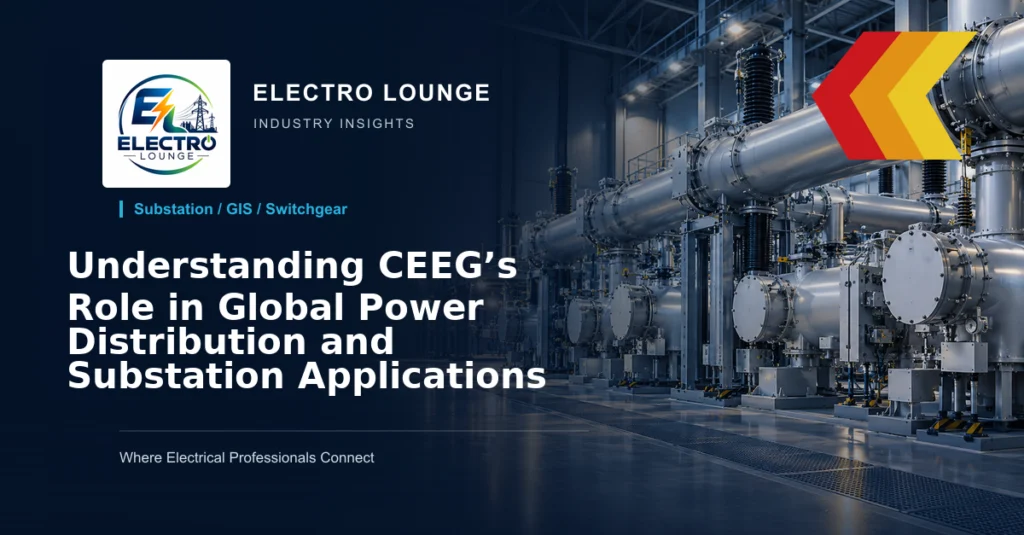
In a typical substation scenario, power must transition safely from high-voltage transmission to distribution-level voltages. A large oil-immersed transformer, as listed by CEEG, steps down the incoming voltage (for example, 220 kV to 35 kV), enabling power delivery to local grids or facilities. According to the company’s description, dry-type transformers—placed closer to sensitive installations like data centers or industrial zones—offer enhanced safety through improved insulation and should meet Class H or similar requirements for operational environments with strict fire or maintenance regulations.
Worked Example: Fault Ride-through and Protection
Imagine installing a dry-type transformer for a data center connected downstream of a 110 kV substation bus. If a transient overcurrent or short circuit occurs, proper relay coordination and circuit breaker response must initiate to isolate the transformer and prevent cascading failures. In this situation, transformer cooling class, short-circuit withstand rating, and O&M (operation and maintenance) protocols directly affect downtime and long-term reliability—all factors mentioned in the context of CEEG’s equipment claims.
Limitation and Practical Lesson
Before selecting any transformer or integrated substation equipment, it is essential to independently verify the manufacturer’s latest technical datasheets, project track records, and international certification status. Equipment performance depends on site-specific requirements, load profiles, and protective scheme coordination. Therefore, early dialogue with suppliers and commissioning engineers is necessary to avoid misapplication or regulatory noncompliance.
Summary
This overview provides a conditional look at CEEG’s stated capabilities in global power delivery and illustrates transformer integration in substation contexts. Readers should treat all company statements as unverified and consult directly with technical teams or independent experts to confirm suitability for actual projects.
THE ENGINEERING CORNER
Read the application before the product list
A company profile can introduce useful equipment families, but the engineering assessment starts with the duty. Identify what the device must do, the system it will connect to, and the conditions it must withstand. Similar-looking products may serve different applications.
Build a short comparison table from the relevant manufacturer documentation: intended function, electrical ratings, interfaces, environmental limits and the stated test or conformity evidence. Keep the document revision beside the figures so that a later change is visible.
One useful distinction: a manufacturer’s portfolio statement is not the same as approval of a particular model for a particular project. Likewise, the presence of a product category on a website does not establish every voltage rating, certification or service capability you might need.
For a substation application, follow the interface with the rest of the scheme. Equipment selection involves how a device works with measurement, control, protection and the connected circuit. The aim is to turn a broad product description into specific questions that can be answered from the exact model’s current documentation.
THE ENGINEERING CORNER
Follow the whole power path
Think of a substation project as one part of a connected power path. There is a supply side, the equipment being discussed, and a demand side. Each part has its own capabilities, constraints and operating conditions.
A headline about new capacity is therefore a useful starting question: where was the original bottleneck, and which part of it does this project address? More installed equipment does not, by itself, quantify customer reliability, actual energy delivered or the capacity available during an outage.
Planning language matters too. A preferred site, a contract award, equipment delivery, installation and commissioning are different milestones. Do not read an announced plan as an asset already operating. The source should support the particular stage being described.
To make the story useful, sketch a simple supply-to-load chain and place the named asset on it. Mark what the report establishes and leave unknown interfaces as questions. That small exercise helps a fresh engineer connect project news with system thinking without inventing voltage levels, settings, test results or customer benefits that the announcement does not provide.