EXPLORE THE STORY · 4 MIN READ
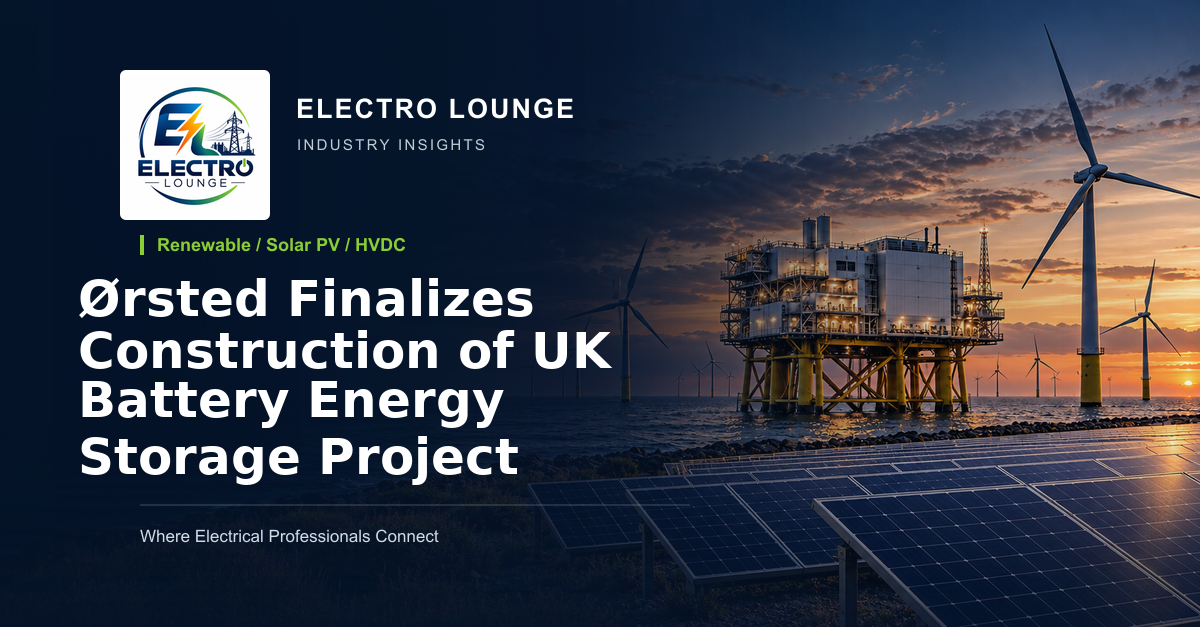
Ørsted, a major developer in the renewable energy sector, has completed the construction of its latest battery energy storage project in the United Kingdom. This significant project update, as of October 2026, marks another step forward for energy storage infrastructure in the UK power sector.
What Happened
Construction of Ørsted's battery energy storage project has reached completion in the UK. The project advances the country's efforts to integrate renewable energy into the grid and highlights the growing focus on grid flexibility.
General Engineering Explanation
Battery Energy Storage Systems (BESS) are specialized installations that store electrical energy for use when demand rises or renewable generation falls. These projects are critical for balancing intermittent supplies from renewable energy sources such as wind and solar. By releasing stored energy during periods of high demand or limited generation, BESS help maintain voltage stability and support overall grid reliability.
Benefits to the Electrical Power Sector
Large-scale energy storage provides utilities and transmission system operators with new options to support grid resilience. Completed BESS projects allow for more dynamic response to fluctuations in supply and demand. This ability helps reduce curtailment of renewable generation, lowers transmission congestion, and contributes to decarbonization goals.
For electrical engineers and power system professionals, advances in BESS technology directly impact system design, integration, and operational procedures. Commissioning a project of this scale requires expertise in power electronics, protection systems, safe battery operation, and control algorithms that respond to grid signals. Completing the construction phase enables testing, commissioning, and future scalability.
Broader Implications for Energy Networks
The deployment of new battery energy storage is part of a global trend as countries work toward cleaner and more reliable electricity grids. In the UK context, such developments support national objectives to increase renewable penetration without compromising supply security. Storage assets like the one completed by Ørsted can participate in various energy markets, including frequency regulation and reserve services, making them valuable for system stability.
Project Phase and Stakeholders
As of October 2026, the Ørsted battery project has finished its construction phase. This milestone sets the stage for the operational and regulatory processes needed before full integration into the grid. The completion was announced by Ørsted, whose involvement continues the company's active role in large-scale renewable infrastructure.
Conclusion
The successful construction of a major battery energy storage facility by Ørsted adds both technical capacity and operational flexibility to the UK’s power sector. It represents a continued shift toward advanced grid solutions and underlines the importance of engineering expertise in deploying emerging energy storage technologies. 🛠️🔋
For electrical professionals, such developments highlight practical challenges and opportunities in the evolving landscape of modern power systems.
THE ENGINEERING CORNER
Follow the whole power path
Think of a substation project as one part of a connected power path. There is a supply side, the equipment being discussed, and a demand side. Each part has its own capabilities, constraints and operating conditions.
A headline about new capacity is therefore a useful starting question: where was the original bottleneck, and which part of it does this project address? More installed equipment does not, by itself, quantify customer reliability, actual energy delivered or the capacity available during an outage.
Planning language matters too. A preferred site, a contract award, equipment delivery, installation and commissioning are different milestones. Do not read an announced plan as an asset already operating. The source should support the particular stage being described.
To make the story useful, sketch a simple supply-to-load chain and place the named asset on it. Mark what the report establishes and leave unknown interfaces as questions. That small exercise helps a fresh engineer connect project news with system thinking without inventing voltage levels, settings, test results or customer benefits that the announcement does not provide.
THE ENGINEERING CORNER
Read the application before the product list
A company profile can introduce useful equipment families, but the engineering assessment starts with the duty. Identify what the device must do, the system it will connect to, and the conditions it must withstand. Similar-looking products may serve different applications.
Build a short comparison table from the relevant manufacturer documentation: intended function, electrical ratings, interfaces, environmental limits and the stated test or conformity evidence. Keep the document revision beside the figures so that a later change is visible.
One useful distinction: a manufacturer’s portfolio statement is not the same as approval of a particular model for a particular project. Likewise, the presence of a product category on a website does not establish every voltage rating, certification or service capability you might need.
For a substation application, follow the interface with the rest of the scheme. Equipment selection involves how a device works with measurement, control, protection and the connected circuit. The aim is to turn a broad product description into specific questions that can be answered from the exact model’s current documentation.